Garden maintenance for flats off Balham Road Tooting
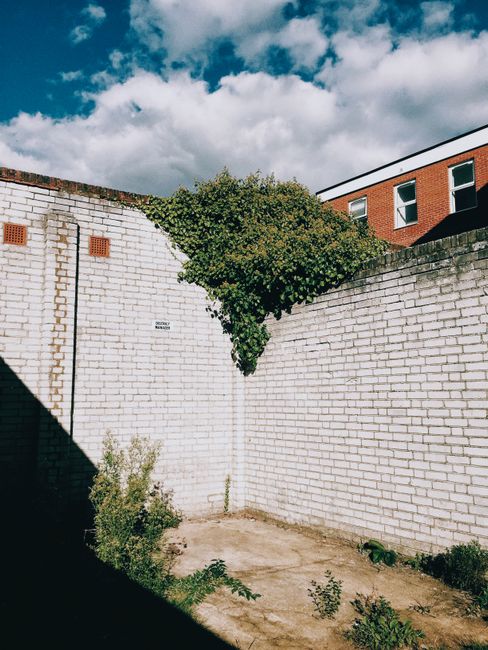
If you live in a flat off Balham Road in Tooting, you probably know the pattern: the shared garden looks fine for a week or two, then the grass gets away from everyone, the hedge starts leaning into the path, and suddenly the whole space feels neglected. Garden maintenance for flats off Balham Road Tooting is not just about keeping things tidy. It is about making a shared outdoor area usable, safe, and pleasant for the people who actually live there.
In a block of flats, garden care is rarely one person's hobby. It has to work around shared access, neighbours, bin areas, balconies, communal paths, and the everyday reality of London life. That means a good maintenance plan needs to be practical, regular, and flexible. This guide breaks down how it works, what to watch for, and how to make sensible choices without overcomplicating things. Truth be told, the best shared gardens are usually the ones with boring, consistent upkeep.
Why Garden maintenance for flats off Balham Road Tooting Matters
Shared gardens around flats work hardest when they are used by several people and no one person feels fully responsible. That is exactly why they need a maintenance routine. A patchy lawn, overgrown shrubs, or leaf build-up might seem minor at first, but in a communal setting these things quickly become more than cosmetic. Slippery paths, blocked drains, and untidy entrances can all create friction between residents. And nobody wants that awkward hallway conversation about whose turn it was to sort the hedge.
In this part of Tooting, outdoor space often has to do several jobs at once: somewhere for children to play, somewhere to sit with a coffee, somewhere to park bins neatly, and sometimes just a bit of green relief in a built-up street. Good maintenance helps the garden feel like part of the building rather than an afterthought. It also supports the long-term health of the planting, because once shrubs and lawns are left to fend for themselves for too long, the recovery takes more time and money.
There is also the question of presentation. If a building is being let or sold, the shared garden can influence first impressions more than people expect. A neat outdoor space tells visitors that the block is looked after. That matters whether you are a leaseholder, landlord, managing agent, or resident committee member trying to keep things on an even keel.
Expert summary: in communal gardens, consistency beats dramatic makeovers. Small, regular maintenance tasks usually prevent bigger, costlier problems later on.
How Garden maintenance for flats off Balham Road Tooting Works
At its simplest, garden maintenance is a planned set of recurring tasks. For flats, those tasks are usually designed around the layout of the site, the number of residents, the season, and how the space is actually used. A good provider will normally start by looking at the condition of the garden, access routes, waste disposal needs, and any areas that need special attention such as hedges, borders, or communal lawn sections.
If you already have a broader service arrangement, the process may sit alongside a wider package such as garden maintenance or, where there is more substantial work needed, garden clearance. For a flat complex, that distinction matters. Clearance is the one-off reset; maintenance is the steady upkeep that keeps the reset from disappearing again by next month.
Typical maintenance visits can include mowing, edging, pruning, weeding, leaf clearance, hedge trimming, deadheading, litter pick-up, and light seasonal tidying. In some cases, small landscaping improvements may also be recommended, especially where drainage, planting structure, or access is causing repeated problems. If the garden includes timber features, raised planters, or seating areas, a provider may point you towards related works such as landscaping or decking services if those elements are part of making the space easier to use.
The practical side is usually straightforward: agree the scope, confirm how often visits should happen, decide who authorises work, and keep an eye on seasonal changes. In spring and summer, lawns and hedges can need attention more often. In autumn, leaf build-up becomes the nuisance. Winter is calmer on paper, though not always in reality because storms and wet weather love to make a mess of things just when everyone thought the garden was "sorted".
Key Benefits and Practical Advantages
Regular maintenance does more than keep a garden looking neat. For flats, it helps the whole property function better. That sounds obvious, but you notice it most when it is missing.
- Better shared enjoyment: residents are far more likely to use a garden that feels clean, safe, and cared for.
- Lower long-term costs: small jobs done routinely are usually cheaper than letting a space get badly overgrown.
- Less neighbour tension: clear maintenance reduces the "someone should deal with this" problem.
- Improved safety: regular clearance helps keep paths visible and reduces trip hazards from debris or unchecked growth.
- Stronger kerb appeal: a tidy communal garden lifts the look of the building without needing a full redesign.
- Healthier planting: pruning, feeding, and weeding at sensible intervals help plants thrive instead of struggle.
There is also a quiet psychological benefit. People tend to treat a place better when it looks cared for. A simple sweep and trim can change the mood of an entrance area in ten minutes. You walk out, and it just feels calmer. Not glamorous. Just calmer. That matters in a busy neighbourhood.
If the property is managed professionally, it can also help create a more reliable service standard. Residents know what to expect. Managers know what will be done. And the garden does not become a seasonal argument waiting to happen.
Who This Is For and When It Makes Sense
This type of garden care is a good fit for a few different groups. If you are a leaseholder in a small block, you may need a simple routine to stop the garden sliding into neglect. If you are a freeholder or landlord, it helps protect the property and keep tenants happier. If you are part of a residents' association, you may need a sensible plan that can be agreed by several people without endless emails. We have all seen how that can go.
It also makes sense when the garden is shared, but nobody uses it enough to notice gradual decline. That is the tricky part. A space can look "fine" for months and then suddenly feel messy because the hedge has spread, the grass has thinned, or the borders have gone scruffy around the edges. By the time someone comments on it, the job is usually bigger than it should have been.
This is especially relevant for blocks off Balham Road where outdoor space may be limited. A small communal garden has less room to hide problems. A few weeds in a large space are easy to ignore. In a compact courtyard, they are right there, staring back at you. Same with overgrown shrubs near doors or bins. You spot them every day, and after a while they start to feel oddly personal.
It makes sense to arrange regular maintenance when:
- the garden is shared by several households;
- there is repeated weed growth or lawn wear;
- hedges, shrubs, or climbers need consistent shaping;
- residents want the area to feel more usable;
- the property is preparing for new tenants or a sale;
- there are recurring mess or safety issues after windy or wet weather.
Step-by-Step Guidance
If you are organising garden maintenance for flats off Balham Road Tooting, a simple process works best. You do not need a grand plan. You need one that people can actually follow.
- Walk the space properly. Look at the whole garden in daylight. Check lawns, borders, paths, bin areas, fence lines, and any hidden corners where litter and weeds collect.
- Separate urgent from routine work. Overgrown hedges, blocked access, and trip hazards should be handled first. Cosmetic tidying can come after.
- Agree who decides. In a flat block, one person should not be left guessing. Make it clear who approves visits, seasonal changes, and any additional work.
- Choose a maintenance rhythm. Some gardens need fortnightly care in peak growing months; others can manage with a monthly visit and seasonal top-ups.
- Match the service to the garden. A lawn-heavy courtyard has different needs from a planted communal space or a small paved garden with containers.
- Track what actually happens. Keep a simple note of visits, problem areas, and recurring issues. That helps spot patterns instead of reacting every time the grass gets too long.
- Review each season. Spring growth, summer watering, autumn leaf fall, and winter pruning all need different priorities. A garden that worked in April may need a very different plan by October.
A useful habit is to ask one simple question after each visit: did the space feel better to use? If the answer is no, something in the routine needs adjusting. Perhaps the mowing frequency is too low. Perhaps the hedge trimming is only happening once a year when twice would be better. Perhaps the entrance bed needs a clearer edge. Small tweaks often make the biggest difference.
Expert Tips for Better Results
Here is where a bit of experience saves time and irritation.
Start with the problem areas, not the prettiest ones. It is tempting to focus on the visible centre of the garden. But in communal spaces, the trouble usually starts at the edges: fence lines, drains, shaded corners, and paths where debris collects. Deal with those first and the whole garden feels easier to manage.
Keep hedges and shrubs under control before they become a complaint. Once a hedge grows too wide, it starts stealing light and narrowing access. A tidy trim is much easier to maintain than a drastic cut back. If the growth is already heavy, a provider may suggest a more structured approach through hedge trimming.
Don't let lawn care become guesswork. Grass in communal gardens can be damaged by foot traffic, pets, and poor drainage. If the lawn is patchy, mowing alone may not solve it. Sometimes the issue is soil compaction, shade, or the wrong cutting height. A good gardener will notice that sort of thing, usually before residents do.
Plan around access. Flats often have shared doors, narrow side passages, and limited storage. Make sure tools, bags of waste, and machinery can be moved safely without blocking people in or out. This sounds basic, but it is one of those details that separates an easy job from a messy one.
Ask for seasonal thinking, not just task lists. You want someone who notices what is coming next. Leaf fall, nesting concerns, warm-weather growth, or wet ground all affect the work. A bit of foresight avoids rushed fixes.
Be realistic about what can be done in one visit. If the space has been neglected for a while, it may need a phased reset followed by regular maintenance. That is not a failure. It is just how gardens work. They do not care about our calendars, unfortunately.
Common Mistakes to Avoid
A lot of shared garden problems are surprisingly predictable. The good news is that they are also avoidable.
- Leaving maintenance too long: once growth gets out of hand, every job takes longer and costs more effort.
- Trying to do everything at once: a phased plan often works better than one huge tidy-up that overwhelms everyone.
- Ignoring the edges and hidden corners: that is where weeds, litter, and damp build up first.
- Using the wrong mowing approach: cutting grass too short can weaken it, especially in dry spells or shaded areas.
- Over-pruning or hard-cutting hedges at the wrong time: this can leave gaps and stress the plant.
- Not agreeing who is responsible: if no one owns the decision, nothing happens until the space looks rough.
- Forgetting waste removal: green waste left on site makes a tidy job look unfinished fast.
One of the biggest mistakes is assuming "low maintenance" means "no maintenance". It rarely does. Low maintenance planting or simple hard landscaping can reduce work, but there is no magic version of a communal garden that looks after itself. If there were, every block in London would have one and gardeners would be selling umbrellas somewhere else.
Tools, Resources and Recommendations
For a small block, the right tools are usually the ones that make routine care efficient rather than fancy. A mower suited to the lawn size, proper edging tools, pruning shears, litter pickers, and basic clearing equipment usually cover the essentials. If the garden includes shrubs, climbers, or awkward corners, handheld tools often give a cleaner finish than heavy equipment.
For residents or managers deciding between self-managed and professional care, it helps to think in terms of time, consistency, and disposal. A garden may be cheap to tackle once with borrowed tools, but expensive to maintain if nobody wants to repeat the effort. Professional help can be worth it when regularity matters more than one-off savings.
Useful supporting pages for understanding service scope include services overview, lawn mowing, and recycling and sustainability. If you are comparing arrangements, pricing and quotes is also helpful for understanding how work may be scoped before anything begins.
From a practical point of view, I would also recommend keeping a very plain maintenance log. Nothing elaborate. Just dates, tasks completed, and any issues noticed. It can be a notebook, a spreadsheet, or even a shared message thread if the building is small. The point is not bureaucracy. The point is memory. Gardens are easy to forget until they are suddenly impossible to ignore.
Law, Compliance, Standards, or Best Practice
For communal gardens, the exact legal responsibilities can depend on the property structure, tenancy arrangements, lease terms, and who manages the grounds. That is why it is sensible to treat compliance carefully rather than making assumptions. If a block has a management company or residents' association, the relevant documents usually shape who is responsible for upkeep, safety, and decision-making. If you are unsure, it is better to check the paperwork than guess.
Best practice in this context usually means a few straightforward things: keep access safe, avoid leaving trip hazards, dispose of green waste properly, and make sure any work is carried out by people who understand the site. If trees are involved, more care may be needed, especially where height, proximity to buildings, or visible deadwood becomes an issue. In those cases, a specialist service such as tree lopping and removal may be relevant, but only where genuinely needed.
There is also a duty of care angle for shared spaces. Even without getting legalistic, most residents would expect common areas to be reasonably safe and maintained to a sensible standard. That expectation is fairly normal across the UK. For any work involving tools, ladders, or site hazards, it is wise to check provider safeguards such as health and safety policy and insurance and safety. Those pages do not replace legal advice, of course, but they can help you judge whether a provider takes the job seriously.
If accessibility matters in your building, garden design and upkeep should also consider clear paths, level surfaces where possible, and unobstructed routes. Simple things help here. A neatly trimmed hedge or a cleared walkway can make the difference between a garden that is inviting and one that feels awkward to use.
Options, Methods, or Comparison Table
There is more than one way to manage a communal garden, and the best choice depends on size, budget, and how much involvement residents want. Here is a straightforward comparison.
| Approach | Best for | Pros | Trade-offs |
|---|---|---|---|
| Resident-led upkeep | Very small blocks or informal arrangements | Flexible, low cost, easy to start | Can be inconsistent, relies on goodwill, easy to fall behind |
| Scheduled professional maintenance | Most shared gardens off Balham Road | Reliable, tidy finish, easier to plan around seasons | Requires agreed budget and coordination |
| One-off clearance plus maintenance | Overgrown or neglected spaces | Fast reset, useful when a garden has been ignored | Needs follow-up care or the problem returns |
| Maintenance with light landscaping upgrades | Spaces with recurring access or drainage issues | Improves function as well as appearance | Higher upfront cost, may need planning among residents |
In practice, many flats do best with a hybrid approach: one initial tidy-up, then regular maintenance at a level that matches the pace of growth. That is the sweet spot. Not too much. Not too little. Just enough to keep things under control without turning the garden into a constant project.
Case Study or Real-World Example
Here is a realistic example from the kind of situation that comes up a lot. A small block of flats off Balham Road had a communal garden behind the building. The lawn was patchy, the side access was narrow, and the hedge near the boundary had started leaning into the path. Residents mostly ignored it because the garden was not used much in winter. Then spring hit, the grass grew fast, and a few weeds turned into a proper mess.
The first visit focused on reset work: cutting back the hedge, clearing the border edges, removing built-up debris, and mowing the lawn properly rather than scalping it. After that, the plan shifted to lighter monthly maintenance through the growing season. The aim was not perfection. The aim was to make the space usable and keep it from sliding backwards.
What changed most was not just appearance. Residents started using the garden again because it felt deliberate rather than forgotten. A couple of chairs came out. Someone put a pot by the door. Little things. You could almost hear the space breathe again, if that does not sound too dramatic. But it was noticeable.
The lesson here is simple: shared gardens often improve fastest when the first goal is control, not transformation. Once the essentials are under control, the garden can slowly become a better place to spend time.
Practical Checklist
Use this quick checklist if you are planning or reviewing communal garden care for flats off Balham Road Tooting.
- Walk the whole garden and note problem areas.
- Check lawns, borders, hedges, paths, and bin areas.
- Decide who approves work and who receives updates.
- Confirm how often maintenance should happen.
- Separate one-off clearance from ongoing upkeep.
- Make sure green waste will be removed properly.
- Review access, storage, and safety issues.
- Look at seasonal needs rather than just the current week.
- Ask whether any areas need landscaping improvements.
- Keep a simple record of visits and recurring issues.
If you can tick most of those boxes, you are already ahead of many blocks that only think about the garden when something has gone visibly wrong. Which, to be fair, is a very human way to operate. Still, the garden will thank you for being a bit more organised.
Get a free quote today and see how much you can save.
Conclusion
Garden maintenance for flats off Balham Road Tooting works best when it is treated as a shared routine, not a one-off rescue mission. A well-kept communal garden improves the everyday feel of the building, reduces avoidable problems, and makes the outdoor space more likely to be used and enjoyed. It also makes life simpler for residents and managers because there is less chasing, less guessing, and less surprise overgrowth.
If your block has been putting it off, start small. Assess the space, agree on the basics, and build from there. A consistent plan nearly always beats an ambitious plan that no one follows. And once the garden starts looking cared for again, you will feel the difference almost immediately. There is something quietly reassuring about that.
Frequently Asked Questions
How often should garden maintenance happen for flats off Balham Road Tooting?
It depends on the size of the garden, the amount of planting, and the season. In many shared gardens, monthly maintenance is a sensible baseline, with more frequent visits during periods of fast growth.
What does communal garden maintenance usually include?
Common tasks include mowing, edging, weeding, hedge trimming, leaf clearance, pruning, and general tidying. Some gardens also need waste removal and occasional structural or landscaping work.
Is a one-off garden clearance enough?
Usually not. Clearance helps reset an overgrown space, but regular maintenance is what keeps it under control afterwards. Without follow-up, the same problems tend to come back.
Who is responsible for the garden in a block of flats?
That depends on the property setup, lease, and management structure. In practice, responsibility may sit with a landlord, managing agent, residents' group, or a combination. It is best to check the property documents.
Can residents do the garden care themselves?
Yes, in smaller or informal blocks they sometimes do. The challenge is consistency. Once people get busy, shared tasks are often the first thing to slide.
What if the hedge is blocking light or access?
That is usually a sign it needs prompt attention. Overgrown hedges can affect safety, privacy, and usability. A proper trim is often better than waiting until it becomes a bigger job.
Do shared gardens need different care in winter?
Yes. Winter usually means more leaf clearance, drainage awareness, and checking for slippery or obstructed paths. Growth slows down, but maintenance does not stop entirely.
How do I choose between maintenance and landscaping?
Choose maintenance if the space is generally fine but needs regular care. Consider landscaping if the layout, drainage, access, or planting design is creating ongoing problems that routine upkeep cannot solve.
Is professional garden maintenance worth it for small blocks?
Often, yes. A professional service can save time, reduce arguments, and keep the garden looking consistently cared for. That can be especially useful where several people share decision-making.
What should I ask before booking garden work?
Ask what is included, how often visits will happen, how waste is handled, what happens if extra work is needed, and whether the provider has suitable safety and insurance arrangements.
How can we keep costs sensible without letting the garden slip?
Start with the highest-priority tasks, agree a realistic schedule, and avoid letting small issues build up. Routine care is usually more cost-effective than repeated major clean-ups.
What is the best first step if the garden is already overgrown?
Begin with a proper assessment and a one-off clearance if needed. Then put a maintenance plan in place straight away so the garden does not drift back into the same state.
If you want the outdoor space behind your flats to feel calm, tidy, and genuinely looked after, the answer is usually simple: steady care, clear responsibility, and a little local common sense. That goes a long way.