Gardeners in Tooting SW17 trusted for small front gardens
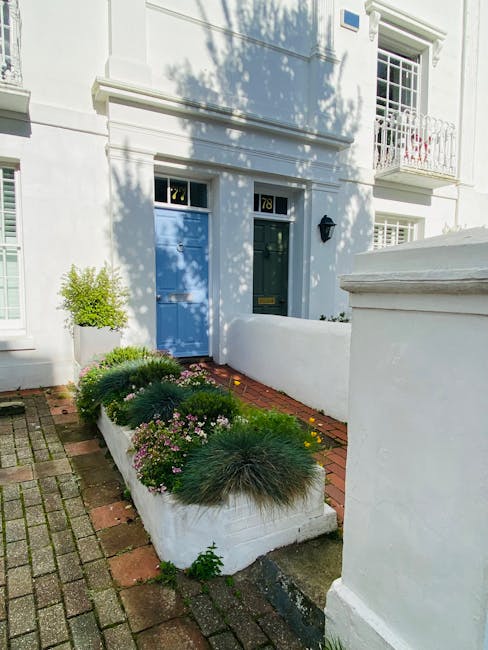
If you've got a small front garden in Tooting SW17, you'll know it can be a blessing and a nuisance all at once. A few square metres can lift the whole look of a house, but they can also become scruffy faster than you'd like. That's where Gardeners in Tooting SW17 trusted for small front gardens really earn their keep: they understand tight spaces, awkward access, neighbour sightlines, and the simple fact that front gardens need to look good without becoming a weekend job you dread. This guide walks through what matters, how the work usually happens, and how to choose a sensible approach that suits your home, your budget, and your street.
Small front gardens are rarely about grand redesigns. More often, they need clarity, proportion, and regular care. A narrow bed, a patchy lawn, a hedged boundary, maybe a paved path that never seems to stay clear for long. Sound familiar? Let's make it straightforward.
Why Gardeners in Tooting SW17 trusted for small front gardens Matters
A small front garden does more than fill the gap between pavement and front door. It shapes first impressions, helps soften hard edges, and can make a home feel cared for even before anyone steps inside. In a place like Tooting, where many properties have compact front spaces, the margin for error is tiny. One overgrown shrub or a tired edge line and the whole frontage can feel messy. On the other hand, a well-kept front garden makes the street feel calmer and more inviting.
Trust matters because front gardens are visible. They face the street, the neighbours, passers-by, and the weather. You want someone who understands that a little space needs a different approach from a big back garden. Less clutter. Cleaner lines. Better plant selection. More thought about maintenance. Truth be told, that's where experience shows. Not in flashy design sketches, but in the quiet decisions that make the space feel balanced.
There's also a practical angle. Small gardens can be surprisingly unforgiving. Plants that look fine in a nursery pot may race away once planted. A hedge that seems manageable in spring can block a path by summer. And a lawn in a front garden often has to cope with foot traffic, shade, and not much depth of soil. A trusted local gardener knows how these conditions tend to play out in SW17 homes, which saves time, money, and a fair bit of frustration.
Expert summary: In a small front garden, the best results usually come from restraint, regular maintenance, and design choices that respect the limited space. It's less about doing more and more about doing the right things well.
If you're comparing broader services as well, it can help to look at a provider's wider approach to garden services and maintenance options so you can see whether front-garden care sits neatly alongside other work you may need later.
How Gardeners in Tooting SW17 trusted for small front gardens Works
Working on a small front garden usually starts with a quick but careful assessment. A good gardener will look at what the space actually does, not just what it looks like. Is the garden mostly decorative, or does it need to cope with bins, bikes, muddy shoes, or deliveries? Is it shaded by a house or a nearby tree? Does water sit in one corner after rain? These little details matter. A lot, actually.
From there, the work often falls into one or more of these areas:
- Routine maintenance: mowing, edging, weeding, pruning, and general tidying.
- Plant management: cutting back overgrown shrubs, refreshing borders, and replacing tired planting.
- Small-scale redesign: improving structure, removing clutter, or updating the layout.
- Surface and boundary care: keeping paths clear, trimming hedges, and making the entrance feel neat.
- Seasonal work: leaf clearance, spring resets, and autumn cut-backs.
In a small front garden, the order of operations matters. For example, a bed can't be replanted well until the old growth is cut back properly. A path edge should not be judged until the weeds are removed and the line is visible again. That sounds obvious, but it's easy to skip steps when a space is cramped. One thing at a time. That's usually the right rhythm.
When a front garden needs more than maintenance, some homeowners look at broader improvements such as layout changes, new paving, or planting structure. In those cases, a service that includes landscape gardening can be useful, especially if you want the front of the house to feel more coherent rather than merely tidier.
What a good process usually looks like
- Walk through the space and note the pressure points: shade, access, drainage, and visibility.
- Remove obvious clutter, dead material, and overgrowth.
- Set the structure first, such as edges, hedge lines, and path shape.
- Deal with soil condition, weeds, and planting gaps.
- Finish with a visual tidy so the frontage looks neat from the pavement.
- Agree what needs regular follow-up and what can wait.
That last step is easy to overlook. But it matters, because small front gardens often fail through neglect rather than one big problem. A fortnightly or monthly touch-up can be more valuable than a dramatic one-off overhaul. Small space, small maintenance, big difference.
Key Benefits and Practical Advantages
The benefits of using a gardener who understands small front gardens are practical first, aesthetic second, and emotional right behind that. You want the space to look cared for without becoming another thing on the to-do list.
- Better kerb appeal: A neat front garden makes a home feel well looked after.
- Less maintenance stress: Regular care stops small issues becoming a weekend takeover.
- Smarter use of space: Compact gardens need good proportions, not more stuff.
- Safer access: Clear paths and trimmed growth help prevent awkward trips and scrapes.
- Stronger planting choices: The right plants stay tidy longer and suit the light levels.
- More reliable year-round appearance: Small gardens can look presentable even in winter with the right structure.
There's another benefit people sometimes miss: confidence. When your front garden is tidy, you stop noticing it in a worried way every time you leave the house. That sounds minor until you live with it. Then it matters. A lot of small frustrations disappear quietly once the space is in good shape.
If your priority is affordability as well as presentation, it may help to compare service styles and bundle options. Some people only need light upkeep, while others need a more structured plan. A useful starting point is the site's overview of garden maintenance, especially if you want to understand what regular care can cover.
Why small front gardens need a different approach
Big gardens can absorb a few clashing elements. Small front gardens can't. A large shrub, a busy mix of plants, or an over-decorated border can make the whole area feel crowded. In a compact space, cleaner lines often win. The goal is not to cram in more features, but to create breathing room.
That means choosing plants for height, spread, and seasonal interest with more care than you might in a rear garden. It also means keeping an eye on how the space looks from the street, not just from the front door. You'd be surprised how often those two views tell different stories.
Who This Is For and When It Makes Sense
This kind of gardening service makes sense for a wide mix of homeowners and landlords in Tooting SW17. If your front garden is small, visible, and a bit time-starved, you're probably in the right place already.
It is especially useful if you are:
- too busy to keep on top of regular weeding and trimming;
- preparing a property for sale or rental photographs;
- dealing with a front garden that has become patchy, overgrown, or uneven;
- wanting to improve the entrance without committing to a full redesign;
- living with a garden that gets little light and needs the right plant choices;
- trying to keep a hedge, border, or lawn under control without doing the wrong cut at the wrong time.
It also makes sense if you've tried a DIY tidy-up and realised the space still feels a bit off. Sometimes the issue is not effort; it's judgement. The wrong pruning cut, a plant in the wrong place, or a border that needs simplifying can make a garden feel muddled even when it's technically "tidy".
To be fair, not every front garden needs constant attention. Some just need seasonal help and a cleaner plan. Others need a bit of rescue work first. The right gardener should be able to tell the difference quickly and explain it in plain English, not jargon that sounds impressive but says very little.
Step-by-Step Guidance
If you want to approach a small front garden properly, start with the basics and build from there. A sensible sequence prevents wasted effort and helps you judge whether the space is improving or simply being tidied on the surface.
1. Look at the garden from the street first
Stand at the pavement and look back at the property. What catches your eye first? Is it a hedge, a bin, a patch of weeds, a path, or a plant that's far too large for the space? This view is the one that matters most for kerb appeal. If you never do anything else, do this.
2. Remove clutter and dead growth
Start with obvious distractions. Old pots, fallen leaves, broken stems, weeds in cracks, dead annuals, and anything that makes the space feel unfinished. Clearing the visual noise is often the quickest way to improve a small front garden. The place can look better in twenty minutes once the clutter goes.
3. Reset edges and lines
Edges are the difference between "tidy" and "a bit chaotic". A straight path edge, a clean lawn line, or a sharp border edge changes the whole feel. In compact gardens, lines do a lot of heavy lifting. They guide the eye and make the space feel intentional.
4. Decide what stays and what goes
Small gardens often have too many plant types or too many plants that all want attention at once. Keep the strongest structure, remove weak or overcrowded material, and be honest about what is no longer earning its place. This is not about stripping everything back. It's about making room for the good bits.
5. Choose low-fuss planting where appropriate
For many front gardens, the best plants are the ones that hold shape, tolerate the local conditions, and don't demand constant fuss. That might mean compact evergreen shrubs, shade-tolerant ground cover, or small ornamental plants that stay in proportion. If you need ideas for adding height and privacy without making the space feel cramped, the article on choosing tall potted plants offers a useful angle on scale and placement.
6. Set a maintenance rhythm
Once the garden looks right, decide how often it needs attention. Some spaces need monthly upkeep; others do better with more seasonal visits. The key is consistency. A little maintenance at the right time beats a heroic rescue every six months. Every time.
7. Review after the first proper cycle
After a few weeks or months, look again. Is the planting holding shape? Are weeds creeping back? Does the space still feel balanced in different light? Morning light, by the way, can reveal patchiness you don't notice at dusk. Tiny front gardens are honest like that.
Expert Tips for Better Results
Here are the choices that usually make the biggest difference in a small front garden, especially in a busy London setting.
- Choose proportion over quantity. One or two well-placed plants often look better than five fighting for attention.
- Keep the entrance clear. The front path should feel easy, not squeezed.
- Use repetition carefully. Repeating a plant or material can make a tiny space feel calmer.
- Think year-round. A front garden needs to look decent in February as well as June.
- Trim with restraint. Over-pruning can leave a small garden looking bare and a bit sharp-edged.
- Mind the line of sight. Don't let planting block windows, doors, or sightlines from the street.
A simple truth: a garden can be "done" and still feel wrong if the scale is off. That happens a lot in small front gardens. A trusted gardener will notice it early. You don't want a space that's technically neat but emotionally loud, if that makes sense. It does, to anyone who has lived with one.
And here's a small one, slightly obvious but worth saying: the less space you have, the more every choice shows. So yes, a single plant can be a feature. It can also be a problem. Funny how that works.
If you're managing several outdoor tasks at once, services like lawn mowing and hedge trimming are often the first places where a front garden starts to feel under control again.
Common Mistakes to Avoid
Small front gardens can go wrong in familiar ways. Most of them are fixable, but it helps to spot the pattern early.
- Using too many plant varieties. A crowded mix can make a tiny space feel fussy and restless.
- Letting hedges grow without shape. Soft, sloppy lines make the frontage feel neglected very quickly.
- Ignoring drainage or shade. If the site is damp or dark, planting the wrong thing is a waste of time and money.
- Overdoing decorative features. Too many pots, ornaments, or borders can choke the layout.
- Skipping regular weeding. In small beds, weeds announce themselves fast.
- Cutting everything back at once. Some plants hate that. Others don't recover well. A bit of judgement helps.
- Forgetting the street view. What looks fine from the front door may look messy from the pavement.
One especially common mistake is treating a front garden like a storage area. It happens. Bins, bikes, plant pots, tools, leftover materials-suddenly the whole thing feels busy. If you're clearing out a neglected space, a proper garden clearance can be a smart first move before you decide what the garden should become.
Another mistake is chasing a "finished" look too quickly. Small front gardens tend to improve in stages. Clean up first. Then shape. Then plant. Then refine. Rushing all four at once usually leads to confusion and a second round of work, which is never anyone's favourite afternoon.
Tools, Resources and Recommendations
You do not need a van full of gear to care for a small front garden, but the right tools make a real difference. Good tools reduce damage, improve finish, and save time. Simple as that.
| Tool or resource | Best use | Why it helps in a small front garden |
|---|---|---|
| Hand shears | Light trimming and shaping | Better control around tight edges and delicate plants |
| Spade or border fork | Reworking beds and removing roots | Makes small-scale soil work more precise |
| Secateurs | Pruning stems and deadheading | Cleaner cuts, less damage to nearby growth |
| Short-handled rake | Leaf and debris clearance | Easier to use in narrow beds and paths |
| Weed remover | Crack and border weed control | Helps keep paving and edging neat |
| Mulch or compost | Soil improvement and moisture retention | Keeps beds looking fresher for longer |
On the service side, many homeowners find it useful to understand how a provider handles safety, payments, and recycling. Those details sound dull until you need them. Then they matter. The site's pages on health and safety, insurance and safety, recycling and sustainability, and payment and security can help you understand the basics of a professional setup without guessing.
If you're early in the process and just want to get a feel for scope, pricing, and what is included, a page like pricing and quotes is often the most practical starting point. Not glamorous, perhaps, but very useful.
Law, Compliance, Standards, or Best Practice
For small front gardens, the legal and compliance side is usually straightforward, but it should not be ignored. In practice, the main concerns are safety, access, waste handling, and making sure work is carried out responsibly.
Good practice usually includes the following:
- keeping paths and entrances usable while work is being done;
- disposing of waste carefully and not leaving debris where it could blow onto the pavement;
- using tools and equipment safely around public-facing spaces;
- being mindful of neighbours, noise, and timing;
- checking whether any plants, trees, or boundary features need extra care before cutting back.
If a front garden contains mature trees or anything that looks like it may be protected, it is sensible to pause and check before any major pruning or removal. The same goes for boundary walls, fences, and shared frontage areas. Best practice is usually to work carefully, document what has been agreed, and avoid assumptions. That's the mature way to handle it.
Professional standards also matter. A reputable gardener should be willing to explain what they will do, how they will protect surfaces, and how they approach unexpected issues. If they discuss safety measures, clearance methods, and waste handling clearly, that is a good sign. Not flashy, just reassuring.
For a broader view of the organisation behind the work, you can also review the company's public policy pages such as about us, terms and conditions, and complaints procedure. These pages are not the exciting part, admittedly, but they tell you a lot about how the business operates.
Options, Methods, or Comparison Table
When dealing with a small front garden, you usually have three broad approaches. The best one depends on the condition of the space and how much you want to maintain it afterwards.
| Approach | Best for | Pros | Watch-outs |
|---|---|---|---|
| Light tidy and maintenance | Gardens that are basically sound but need regular care | Affordable, quick, keeps the frontage neat | Won't solve deep layout or planting problems |
| Reset and simplify | Spaces that feel cluttered, overgrown, or tired | Creates a cleaner structure and easier upkeep | May require more initial work and decision-making |
| Small redesign | Front gardens with awkward proportions or poor function | Can improve the look and long-term usability | Needs a clearer brief and usually more planning |
In many Tooting front gardens, the best answer is a mix: start with a reset, then move into maintenance. That way you get an immediate improvement without locking yourself into a garden that looks good for a month and then slips back. A bit boring maybe. Also effective.
If your frontage is part of a larger outdoor project, combining services can make sense. For example, a small paving or seating adjustment may sit alongside decking services or landscaping, depending on the layout and how much structural change you want.
Case Study or Real-World Example
Here's a realistic example, the sort of thing that comes up often. A homeowner in SW17 has a narrow front garden with a small lawn, a clipped hedge, two tired shrubs, and a path that gets lost under leaves and stray weeds. From the street, the space looks untidy rather than neglected exactly. Just a bit weary. The kind of place you pass every day and think, "I should deal with that at some point."
The first visit focuses on clearing away dead material, reshaping the hedge, and defining the edges again. That alone changes the feel of the garden. Then the old shrubs are assessed. One stays because it still has structure; the other is replaced with a lower-maintenance plant that suits the shade near the house. The lawn is trimmed, fed lightly, and kept small enough to remain manageable. Not perfect, not overworked. Just right for the space.
Over the following weeks, the garden settles. The path looks cleaner. The front door stands out more. The house feels more cared for from the street. And the owner stops thinking about the garden as a nuisance every time they come home. That may sound small, but it's one of those quiet wins that improves daily life more than people expect.
In cases where the frontage is very cluttered, a gardener may recommend a broader clear-out before any planting is done. That's often the sensible call, even if it feels less exciting at first. A strong base makes the rest easier.
Practical Checklist
Use this simple checklist if you want to judge whether your small front garden is ready for maintenance, a reset, or a more thoughtful redesign.
- Can you see the main shape of the garden from the pavement?
- Are the edges clear and easy to follow?
- Is the entrance path free from obstruction?
- Have weeds been removed from beds and paving cracks?
- Are the plants in proportion to the space?
- Is there too much variety for such a small area?
- Does anything block windows, doors, or sightlines?
- Has the garden been assessed for shade, drainage, or narrow access?
- Would a seasonal maintenance plan save you time?
- Do you want the garden to feel simple, private, decorative, or practical?
Quick decision tip: if you can answer most of those with confidence, you probably need maintenance. If you cannot, a reset may be the better first step. And if it's somewhere in the middle, that's normal too.
Conclusion
Small front gardens in Tooting SW17 need care that is thoughtful, restrained, and realistic. That is exactly why Gardeners in Tooting SW17 trusted for small front gardens are so valuable: they understand how to make compact spaces look good without overcomplicating them. The right approach is usually not about a grand transformation. It's about clarity, proportion, and steady upkeep that keeps the space working for you.
Whether your garden needs a simple tidy, a seasonal reset, or a more considered redesign, the best results come from a practical plan and a gardener who understands small spaces properly. Keep the lines clean. Choose plants carefully. Don't overfill the space. It really is that straightforward, even if the details need a bit of judgement.
If you're ready to move from "I should sort that out" to a garden that actually feels welcoming, now is a sensible time to take the next step.
Get a free quote today and see how much you can save.
Frequently Asked Questions
What do gardeners do for a small front garden?
They usually handle the jobs that make the biggest visual and practical difference: weeding, edging, trimming, mowing, pruning, and tidying the entrance area. In a small front garden, the aim is often to simplify the space and keep it manageable rather than to pack in more features.
How often should a small front garden be maintained?
It depends on the planting and the pace of growth, but many small front gardens benefit from regular attention every few weeks during the growing season, then lighter seasonal care in quieter months. If you wait too long, small issues get noisy very quickly.
Is a small front garden worth landscaping?
Yes, if the layout feels awkward, crowded, or hard to look after. Even a modest redesign can improve the way the space works and make ongoing maintenance easier. You do not need a huge budget to get a better result, just a clear plan.
What plants work best in a compact front garden?
Plants that stay in proportion, tolerate the site conditions, and don't need constant fuss usually work best. Low shrubs, compact evergreens, shade-tolerant options, and neat seasonal plants are common choices. The best answer depends on light, soil, and how much time you want to spend on care.
Can a gardener help if my front garden is overgrown?
Yes. In fact, overgrown front gardens are one of the most common reasons people call for help. A proper clearance and reset can make the space usable again, after which a maintenance plan keeps it from slipping back.
How do I know whether I need maintenance or a full redesign?
If the garden is basically functional but scruffy, maintenance may be enough. If the layout feels wrong, the planting is overcrowded, or the space is difficult to use, a redesign may make more sense. A good gardener should be able to explain the difference clearly.
Will a gardener tidy just the front garden, or can they handle the whole property?
That depends on the service and what you agree in advance. Some homeowners only need the frontage sorted, while others combine it with broader garden care. It's usually best to be specific about what you want so the result matches your expectations.
Are small front gardens expensive to maintain?
They are often less expensive than larger gardens, but costs still depend on how much work is needed and how often you want visits. A compact garden that is kept on top of is usually cheaper to manage than one that needs repeated rescue work. Bit of a lesson there, really.
What should I ask before booking a gardener?
Ask what the service includes, how they handle waste, whether they are insured, how they approach safety, and how often they recommend follow-up care. It also helps to ask how they would prioritise your garden if they had to start with the most urgent jobs first.
Can a small front garden improve kerb appeal quickly?
Yes. Even small changes like clear edges, trimmed growth, and the removal of clutter can make a noticeable difference very quickly. A front garden does not need to be elaborate to look good. It just needs to look intentional.
What if my front garden has poor light or awkward access?
That is common in Tooting and similar London areas. The right approach is usually to choose plants and maintenance methods that suit the conditions rather than fighting them. Awkward access may also influence how work is done, so it is worth mentioning early.
Should I use the same gardener for maintenance and design work?
If you're happy with their judgement and communication, yes, that can work very well. Someone who understands the space from the start is often better placed to maintain it properly afterwards. It keeps the look consistent, which matters more than people think.
Sometimes the simplest outdoor spaces take the most care, but they also give back the most when they're done well. A small front garden that feels neat, balanced, and easy to live with can quietly improve your whole day.