Small Garden Landscaping for Homes by Tooting Bec Lido
Small gardens can be brilliant. They can also be a bit awkward, especially when you want somewhere that feels calm, usable, and not cramped the second you step outside. Small garden landscaping for homes by Tooting Bec Lido is about making limited space work harder without making it look crowded. Done well, a compact garden can feel brighter, neater, and surprisingly generous in use. A tiny patch with good planning often outperforms a larger garden that has no clear shape at all.
In a neighbourhood where homes often need outdoor space to do several jobs at once, the challenge is real: somewhere to sit, somewhere to store things, maybe a bit of greenery, and ideally a garden that does not demand every spare weekend. This guide walks through how to shape a small garden properly, what to avoid, and how to decide which features are worth the investment. If you are comparing broader options, it also helps to browse the full range of gardening services and see what fits the condition of your space.
Truth be told, small gardens are often easier to improve than people expect. You just need a clear plan, a bit of discipline, and an eye for proportion. No magic. Just good decisions made in the right order.
Table of Contents
- Why Small Garden Landscaping for Homes by Tooting Bec Lido Matters
- How Small Garden Landscaping for Homes by Tooting Bec Lido Works
- Key Benefits and Practical Advantages
- Who This Is For and When It Makes Sense
- Step-by-Step Guidance
- Expert Tips for Better Results
- Common Mistakes to Avoid
- Tools, Resources and Recommendations
- Law, Compliance, Standards, or Best Practice
- Options, Methods, or Comparison Table
- Case Study or Real-World Example
- Practical Checklist
- Conclusion
- Frequently Asked Questions
Why Small Garden Landscaping for Homes by Tooting Bec Lido Matters
Small gardens matter because they are usually visible from inside the home every single day. That view from the kitchen window, or the first step onto the patio in the morning, can affect how the whole place feels. A tidy, well-zoned outdoor area makes a home feel more finished. A messy one can make even a lovely house feel unfinished. Slight difference, big impact.
Near Tooting Bec Lido, many homeowners want gardens that support everyday life rather than sit there looking decorative and a bit unused. A small garden often needs to serve as a retreat, a family space, a dining area, and a low-maintenance green corner. That is why planning matters more than scale. In a compact layout, every metre has to earn its keep.
Small-space landscaping also helps solve common problems: poor drainage, awkward access, lack of privacy, tired surfaces, and areas that get too little sun. If a garden feels frustrating, it usually is not because it is too small. It is because the layout is not working with the space. That can be fixed.
There is also a local practical angle. Homes in this part of London often benefit from a design that balances privacy, durability, and low upkeep. You do not want a scheme that looks good for two weeks and then becomes a chore. You want structure. You want the garden to hold its shape through wet weather, pollen season, the odd heatwave, and all the ordinary mess of life.
Expert summary: the best small garden designs do not try to add more and more. They simplify, define, and repeat. That is how compact spaces start feeling calm instead of cluttered.
How Small Garden Landscaping for Homes by Tooting Bec Lido Works
Small garden landscaping starts with measuring, observing, and deciding what the garden must do. Not what you might use it for one day. What it must do now. That distinction saves a lot of money and regret later on.
The process usually begins with a simple audit of the site:
- How much direct sunlight does the garden get?
- Where does water sit after rain?
- Which areas feel cramped or dark?
- Do you need seating, storage, planting, or play space first?
- What can stay, and what should go?
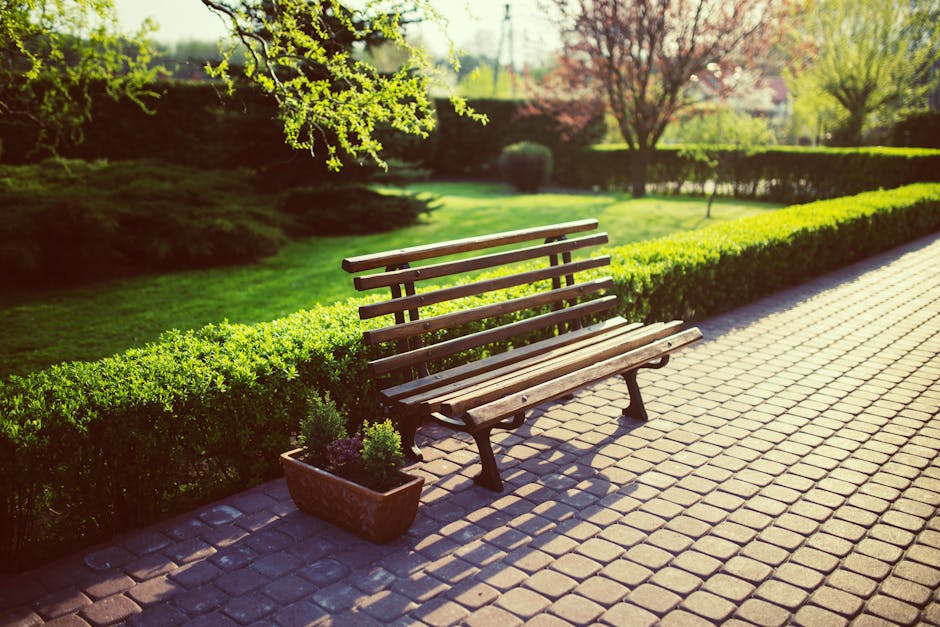
From there, the layout is shaped around circulation and sightlines. In a small garden, a narrow path or badly placed feature can make the whole space feel chopped up. A cleaner plan, with fewer but more intentional elements, usually works better. You may also notice that a single strong focal point, such as a bench, raised planter, or modest decked seating area, gives the eye somewhere to rest.
Materials matter too. Light-coloured paving, simple borders, restrained planting, and a small amount of timber or decking can make a garden feel more open. If you are considering timber features, the decking services page is useful for understanding how a deck can create a defined seating zone without taking over the whole plot.
The planting layer is where the garden comes alive. But in a compact garden, planting must be chosen carefully. Too many varieties can make a small area feel busy. Repeating a few well-chosen plants often gives more visual calm. A little structure from evergreens, then seasonal colour in the gaps, tends to work nicely.
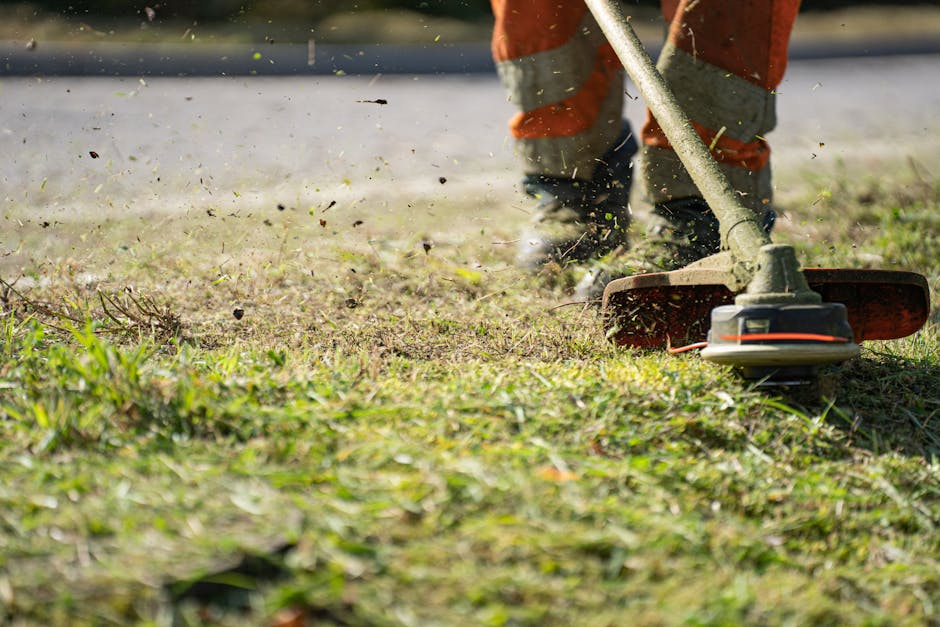
After the design comes implementation. That might include clearance, soil improvement, new edging, a lawn refresh, hedge work, or hard landscaping. If the space has become overgrown or cluttered, garden clearance can be the right starting point before any new design is installed. And for gardens that need regular upkeep afterwards, garden maintenance keeps the new layout from slipping backwards.
Key Benefits and Practical Advantages
A well-planned small garden gives you more than visual appeal. It gives you usefulness, which is the thing most people are actually after. Let's be honest, pretty but impractical gardens get old quickly.
- Better use of space: a compact layout can support seating, planting, and movement without feeling crowded.
- Lower day-to-day maintenance: simpler planting and defined zones reduce the amount of ongoing work.
- Improved property feel: a smart garden often makes the home feel more polished and cared for.
- More privacy and comfort: hedging, fencing lines, and planting structure can make the garden feel calmer.
- Year-round value: even in colder months, a tidy layout still looks intentional from inside the house.
One of the most useful advantages is psychological. When a garden is organised, people use it more. A small patio with a clear place to sit is far more likely to be enjoyed than a vague patch of paving. Same with a border that actually looks finished rather than abandoned.
There is also a resale angle, though it should not be the only one. Buyers tend to respond well to gardens that feel manageable. In smaller homes especially, a neat outdoor space signals that the whole property has been looked after. Small space, big impression. Simple as that.
Who This Is For and When It Makes Sense
This kind of landscaping makes sense for homeowners who want a garden that works hard without requiring constant attention. That includes first-time buyers, busy families, downsizers, landlords, and anyone who looks at their outside space and thinks, "We could do something better with this."
It is particularly relevant if your garden:
- feels too narrow, shaded, or broken up
- has patchy lawn that never seems to thrive
- contains old paving, tired borders, or unused corners
- needs privacy from neighbouring windows
- is hard to keep tidy because the layout is fighting you
It also makes sense when your current outdoor space is technically fine, but not pleasant. That is a common issue. A garden can be safe and functional and still feel completely uninspiring. A well-considered redesign changes that.
If you are not sure whether your space needs a light refresh or a full redesign, start by thinking about the one thing that annoys you most. Is it the lack of seating? The messy edges? The lawn that turns to mud? That one irritation is often the best clue. Follow the pain point and the rest becomes clearer.
Homeowners who want specialist help with shape, planting structure, and materials often find landscape gardening the most useful route, while broader project planning can sit under landscaping. The difference is not always dramatic in practice, but the emphasis can help you choose the right kind of support.
Step-by-Step Guidance
Here is a practical way to approach a small garden redesign without getting overwhelmed. Keep it steady. There is no prize for doing everything in one go.
- Measure and map the space. Note walls, doors, windows, drainage points, existing trees, and anything that casts shade.
- Decide the main purpose. Do you want sitting, planting, storage, play, or a mix? Put the most important use first.
- Clear out what no longer helps. Old pots, broken edging, and awkward leftover materials make a small garden feel smaller.
- Fix the structure. Sort hard surfaces, levels, edges, and access before you think about ornaments.
- Choose a simple planting scheme. Repeat a few plants, mix height carefully, and avoid overstuffing the borders.
- Add one or two features with intention. That might be a small deck, raised bed, bench, or screen.
- Plan the upkeep. If you will not maintain it, the design should reflect that reality.
A useful trick is to work from the inside out. Start with the area closest to the house, because that is usually what you see and use most. A neat edge outside the back door can change the whole feeling of the garden. It sounds minor, but those first few steps matter.
If pruning, hedging, or small tree work is part of the clean-up, hedge trimming can restore shape fast, while tree lopping and removal may be appropriate where overgrown branches are stealing light or space. Not every garden needs this, of course. But when it does, it is usually obvious once you stand back.
Expert Tips for Better Results
The best small gardens usually have a few things in common. They are not overloaded. They are visually calm. And they make the eye travel a little, rather than stopping dead at a wall of clutter.
Here are some practical tips that really do help:
- Use repetition. Repeat materials and plant shapes so the garden feels larger and more coherent.
- Keep transitions smooth. Abrupt changes in surface or height can make a small garden feel chopped up.
- Think vertically. Wall planters, climbers, and narrow screening can add interest without using floor space.
- Leave a little breathing room. Empty space is not wasted space. It helps the garden feel intentional.
- Choose plants for form as well as colour. Leaf shape, height, and texture matter just as much as flowers.
One thing people often overlook is sightline management. If the first thing you see is a dustbin, a tangle of tools, or a tired fence panel, the whole garden feels more chaotic. Put the tidy thing where your eyes naturally go. It is a simple fix, but honestly, it works.
Another good habit is to think about maintenance in seasons, not days. In spring, everything looks hopeful. By late summer, if the design is too fussy, it starts to show. Designing for easy cleaning, trimming, and watering saves a lot of headaches. And a quiet little bonus: you will enjoy the garden more if you are not forever tidying it every Saturday morning.
Common Mistakes to Avoid
Small gardens are unforgiving of poor decisions. The good news is that the mistakes are predictable, which means they are avoidable.
- Overcrowding the space: too many plants, pots, or features make the garden feel smaller than it is.
- Using one flat idea everywhere: a single surface with no structure can look unfinished.
- Ignoring shade and drainage: pretty planting will fail if the site conditions are wrong.
- Choosing high-maintenance details: intricate layouts can become a chore if you do not enjoy gardening.
- Forgetting storage: tools, bins, and cushions need a home somewhere.
- Not planning for upkeep: a design that only works on day one is not really a good design.
The most common issue, though, is trying to fit in too many "must-haves." A small garden does not need a bit of everything. It needs the right things, in the right proportion. Ask yourself: what would I actually use every week? Then build from there.
If you want to avoid the classic "good idea, bad execution" problem, it is worth treating the garden like a room. A room needs a purpose, a route through it, and a clear layout. Outdoors is no different, really. Only with more mud.
Tools, Resources and Recommendations
You do not need a massive toolkit to improve a small garden, but you do need the right basics and a sensible process. The tools depend on the project, though a few items come up again and again.
- Measuring tape or laser measurer: for accurate planning and material estimates.
- Spade, fork, and secateurs: standard tools for clearing, planting, and cutting back growth.
- Level and straight edge: useful for checking paving, edging, and simple platform features.
- Wheelbarrow or rubble bags: helpful if you are clearing out old soil, debris, or broken materials.
- Watering can or hose setup: especially important during the first weeks after planting.
For many homeowners, the most helpful "resource" is not a tool at all. It is a realistic maintenance plan. If a new garden design depends on constant clipping, deadheading, and watering, it may look beautiful in the brochure and then become annoying in real life. A good finish should fit your lifestyle.
You may also want to think about ongoing support. Some spaces need occasional intervention to stay sharp, especially where lawn edges, hedges, and borders define the whole look. If that is your situation, regular lawn mowing and general aftercare can keep the garden from drifting into the "nearly tidy" category, which is never a great place to be.
And if the garden is essentially starting from scratch, a broader local contractor approach can help, especially when you want a single team to handle design, build, and tidy-up work in a joined-up way. That usually saves a few headaches. Not always, but often enough.
Law, Compliance, Standards, or Best Practice
For most small residential garden projects, the main concerns are not complex legal ones. The bigger issues are practical: safe working, responsible waste handling, and making sure any hard landscaping is suitable for the property and surroundings. Still, a few best-practice points are worth keeping in mind.
If you are altering levels, adding retaining features, working near boundaries, or removing larger trees and branches, it is sensible to check whether any permissions or neighbour considerations may apply. London properties can be close together, and that makes communication especially important. A quick conversation before work starts can prevent awkward surprises later. It really can.
Good practice also includes:
- using appropriate protective equipment during construction and clearance
- disposing of waste responsibly rather than dumping it into general rubbish streams
- checking that surfaces are stable and not slippery where people will walk
- avoiding plant choices that immediately outgrow the space
- planning access so the work can be completed safely and neatly
Where heavier work is involved, it is wise to use a provider with clear safety procedures and insurance arrangements. You can review practical details via insurance and safety information and the company's health and safety policy. If environmental care matters to you, the recycling and sustainability approach is also worth checking, especially when waste removal is part of the job.
This is not about bureaucracy for its own sake. It is about doing the work properly and leaving the garden better, safer, and easier to live with.
Options, Methods, or Comparison Table
Small gardens can be improved in several ways, and the right route depends on budget, time, and how much change you want. The table below gives a simple comparison.
| Approach | Best for | Typical strengths | Possible drawback |
|---|---|---|---|
| Light refresh | Gardens that are basically functional but tired | Quick visual lift, lower disruption, modest cost | Does not fix deep layout problems |
| Selective redesign | Spaces with one or two major issues | Targets the things that matter most | Needs clearer planning |
| Full landscaping update | Gardens with poor structure, drainage, or severe overgrowth | Best long-term transformation | More time, more coordination, more spend |
There is no "right" answer in the abstract. A small courtyard that only needs sharper edging and better planting does not deserve a full rebuild. On the other hand, a garden with broken levels and no coherent layout may need deeper work to become genuinely useful.
For many homes, the sweet spot is selective redesign. Fix the structure, improve the planting, and simplify the surfaces. You get most of the benefit without unnecessary complexity. That tends to be where the real value sits.
Case Study or Real-World Example
Picture a small back garden near Tooting Bec Lido that had become a bit of everything and nothing at once. A patchy lawn. A narrow side run. A few pots that had clearly been moved around more times than anyone wanted to admit. The family wanted somewhere to sit after work, a better view from the kitchen, and less weekly faff.
The first move was not adding new features. It was clearing the clutter and cutting back overgrowth. Once the old material was removed, the garden felt larger immediately. A simple seating area was established close to the house, with a small timber deck section to define the space. Then the planting was simplified: a few repeated shrubs for structure, softer planting at the edges, and a cleaner line down the boundary.
What changed most was not the number of features. It was the sense of order. The garden stopped feeling like an afterthought and started feeling like part of the home. In the evening, when the light sat low and the fence shadows stretched a little, the space felt warm and usable. Small win, but a meaningful one.
Ongoing support mattered too. A tidy finish still needs upkeep, even a straightforward one. Regular cutting, trimming, and a seasonal check-over kept the space looking intentional rather than slowly drifting back into chaos. Which, to be fair, is what gardens like to do if nobody is watching.
Practical Checklist
Use this checklist before you start work on a small garden redesign.
- Have you measured the full space, including awkward corners?
- Do you know the garden's main purpose?
- Have you identified shade, drainage, and access issues?
- Have you removed obvious clutter, debris, or dead planting?
- Are the hard surfaces safe, level, and suitable for daily use?
- Have you chosen a simple planting palette that suits the conditions?
- Is there enough storage for tools and everyday garden items?
- Have you planned how the garden will be maintained after completion?
- Do you need hedge, lawn, or tree work as part of the project?
- Have you checked the contractor's service scope, pricing, and safety approach?
Quick take: if the space looks good but feels awkward, focus on layout first. If it feels tidy but lifeless, focus on planting and structure. If it feels overgrown or neglected, start with clearance before anything else.
If you want help understanding service scope, timing, or what a project might involve, the pricing and quotes page is a sensible place to begin before making decisions.
Get a free quote today and see how much you can save.
Conclusion
Small garden landscaping for homes by Tooting Bec Lido is not about forcing a big design into a small plot. It is about respect for space. Good proportion. Clear purpose. A bit of restraint. When those pieces come together, even the tightest garden can feel welcoming, practical, and genuinely enjoyable.
The most successful projects usually start with the basics: clear out what is not helping, fix the structure, then layer in planting and features that suit everyday life. Keep maintenance in mind from the beginning, not as an afterthought. That one habit alone saves people a lot of disappointment later on.
If you are thinking about a refresh, a redesign, or just a cleaner, more usable outdoor space, take it one step at a time. Small gardens reward thoughtful choices. And when they work, they really work.
There is something quietly satisfying about stepping outside and feeling the space is finally pulling its weight. That feeling lasts.
Frequently Asked Questions
What is small garden landscaping for homes by Tooting Bec Lido?
It is the process of planning, shaping, and improving compact home gardens so they feel more useful, attractive, and easier to maintain. The aim is to make a small space do more without making it feel crowded.
How do you make a very small garden look bigger?
Use a simple layout, repeat materials, keep planting controlled, and avoid too many separate features. Light surfaces, vertical planting, and clear sightlines also help the space feel more open.
Is decking a good idea in a small garden?
Yes, often it is. A modest deck can create a defined seating area and make the garden feel more organised. The key is to keep the size proportionate so it does not dominate the whole space.
What are the easiest plants for a small garden?
Usually the easiest choices are compact, reliable plants that do not spread wildly or need constant fussing. It is often better to choose a small number of plants that suit the light and soil than to cram in lots of different species.
Should I remove the lawn in a small garden?
Sometimes, yes. If the lawn is patchy, shaded, or hard to maintain, replacing part or all of it with paving, planting, or a seating area may give you more value. It depends on how you actually use the garden.
How much maintenance does a small landscaped garden need?
That depends on the design. A simple scheme with repeat planting and easy access will need less work than a highly detailed one. Good design should match the amount of time you can realistically spend on upkeep.
Do small gardens need garden clearance before landscaping?
Very often they do, especially if the space is cluttered, overgrown, or full of old materials. Clearing the garden first makes the design stage clearer and helps the final result look much better.
Can hedge trimming or tree work improve a small garden?
Absolutely. Trimming back hedges and managing overgrowth can let in more light, improve shape, and create a less cramped feel. Sometimes that alone changes the whole mood of the garden.
What should I spend money on first in a small garden?
Start with the structure. Fix levels, edges, access, and any problem areas before investing in decorative extras. Once the bones of the garden are right, planting and finishing touches become far more effective.
How do I choose between a light refresh and full landscaping?
Ask how serious the problems are. If the garden is basically fine but tired, a refresh may be enough. If it has poor layout, drainage issues, or major overgrowth, a fuller landscaping approach is usually better.
Are there safety or waste considerations with garden work?
Yes. Any project involving heavy materials, tree work, or clearance should be handled carefully, with attention to safe working and proper waste handling. It is sensible to check a provider's safety and recycling approach before work begins.
How can I get the best value from a small garden project?
Be clear about your priorities, keep the design simple, and choose materials and plants that suit the space rather than fighting it. Value usually comes from practical planning, not from adding more features.
Where should I start if I am not sure what my garden needs?
Start with an honest look at what frustrates you most. Is it clutter, darkness, poor layout, or maintenance? That first answer usually points you toward the right solution, and from there the rest gets easier.